On a blustery mid-November afternoon, my sister and I eagerly set out to rediscover a small northern city near our childhood home.
As happens when walking tandem long, we talked a lot about everything and nothing – how Mom was doing, dinner with the family on Saturday night, look at how that street has changed – so much to see.
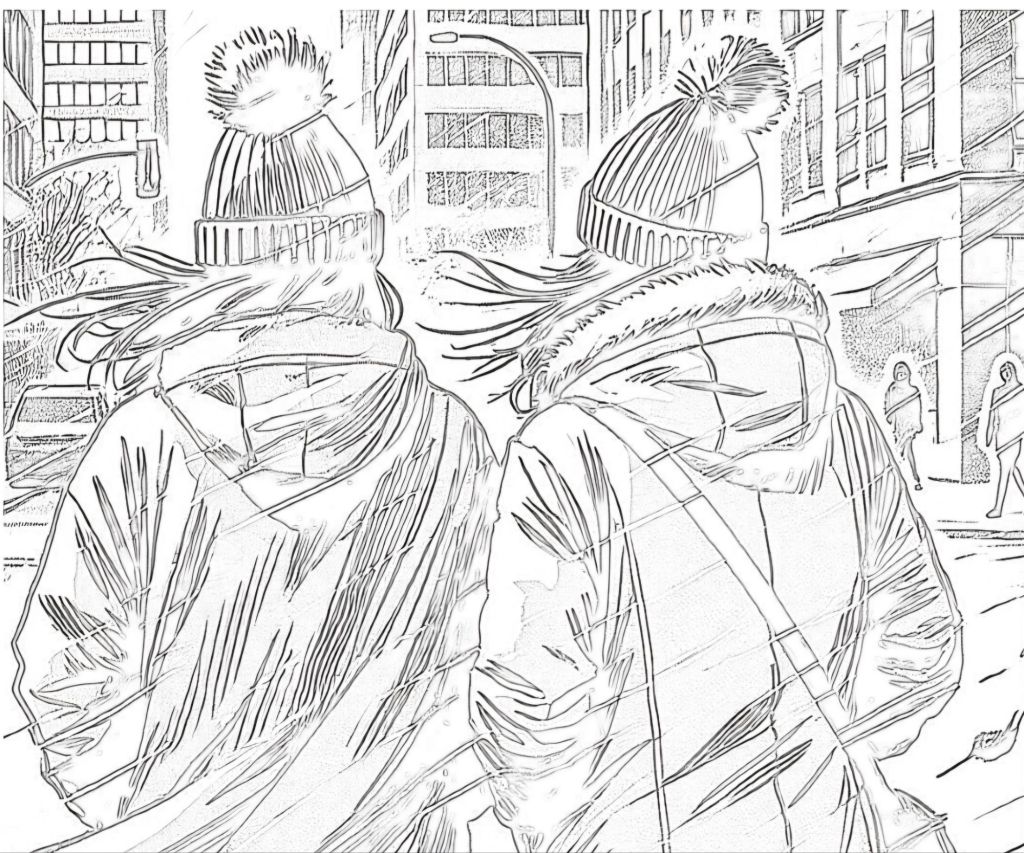
Collars turned up, and toques pulled down, we rounded one corner after the other.
Suddenly, on the sidewalk, not far in front of us, appeared two young men, one straddling his bike and the other bent forward at the waist – torso parallel to the ground. For a moment, I thought the one fella might have been stomach sick, but his body, somehow, seemed too off kilter for that.
As we approached, we politely tried to look away, but at the same time, intuitive concern drew us in. I didn’t fully understand what I was seeing. However, it was clear that although his body half stood in front of us, he himself was elsewhere.
It took a minute for all the pieces to come together, but finally, it began to click. I had recently done some reading on addiction and, more specifically opioid and fentanyl use – a scourge that, according to Health Canada, has taken more than 49,000 Canadian lives since 2016. Based on what I had read, this young man was experiencing what’s been called a fentanyl fold.
“If you have ever witnessed what looks like seemingly intoxicated people bent over or frozen in place on sidewalks or in parks, you might be seeing someone in the throes of opioid use.
“It’s a degree of loss of consciousness and a degree of lost muscular control,” says Dr. Daniel Ciccarone, a UCSF professor of addiction medicine.
The ‘fentanyl fold’ effect can reportedly kick in within two or three minutes after taking the drug.”
And how long will the awkward body position last?
“Fentanyl can be a short-action drug and a long-acting drug. So, some people are back upright in 45 minutes to an hour. Some people could be longer than that.”
Excerpt from – The Palm Desert Sun – James Ward
The realization was sobering – what had led him here? He was so young. It was disconcertingly intimate to wander into another’s experience like this.
While my head remained lost in that thought, my eye began to focus on boy number two still straddling his bicycle. He seemed calm, bored even, as he waited for his friend to come back to himself. Then, his patience having run thin, he nonchalantly plunked himself on his bike seat and slowly rolled forward.
After a brief wobble or two, he threw one last look back at his friend, turned around, and off he went. Did he have some place to be? Was he uncomfortable with our presence? Either way, it was strange to see someone leave their friend, bent over and stuck, as though this was just a normal Tuesday.
The boy on the sidewalk began to stir. My sister and I exchanged a glance, both of us unsure of what to think, what to do next; the casual flow of our conversation now stunted. Was there something that we should do, could do? If we’d had it with us, would the use of naloxone – a fast-acting medication used to temporarily reverse the effects of an opioid overdose – have been appropriate?
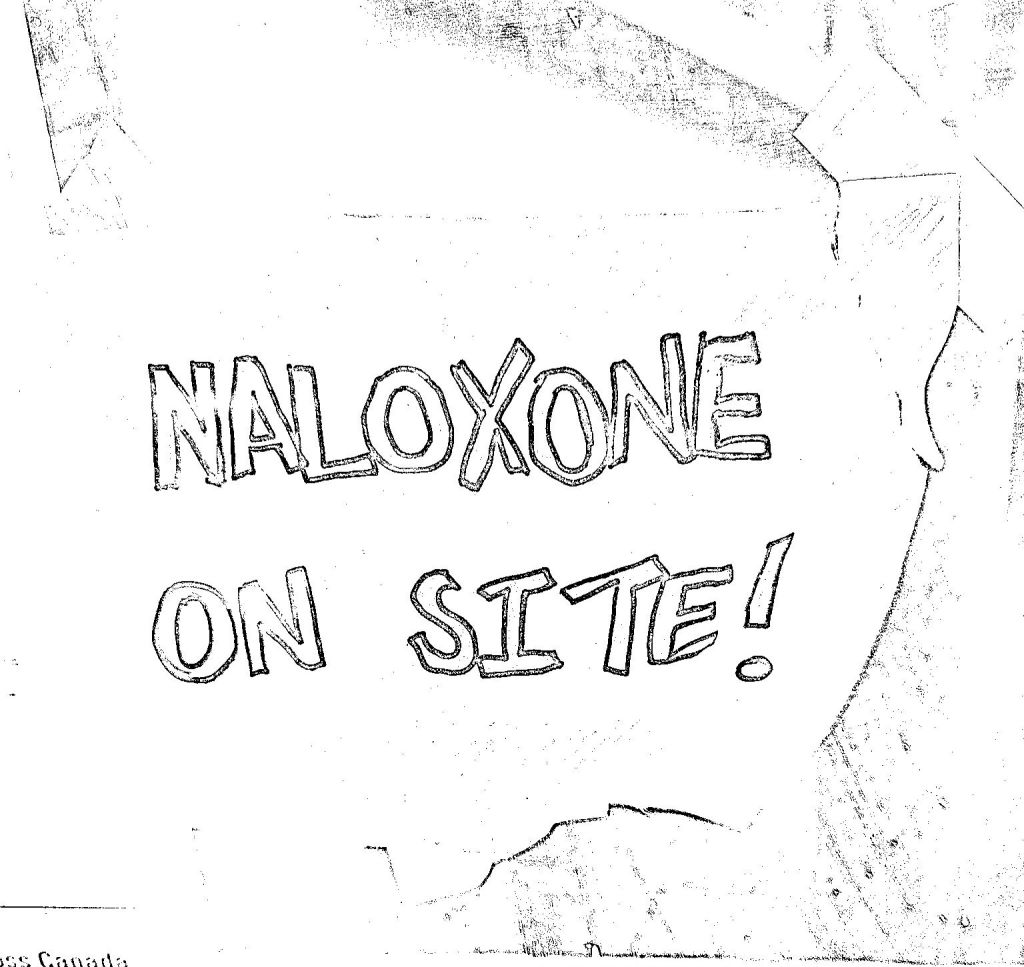
Naloxone kits are often available for free in pharmacies with training on how to administer.
I’ve spent years practicing yoga, learning to control my breath, and to feel each part of my body respond and rise with intention. Although I can’t know for certain, witnessing this, seemed the opposite of how that feels — an involuntary bow, the sensation of your body giving up on itself, stuck in a posture it can’t get out of — a place wherein, it would be very hard to rise.
Defeated by ignorance and at the same time noting that the young man was now conscious and purposefully moving away from us, we walked slowly onward, leaving the moment behind. What we had witnessed, however, lingered, like a hard to shake shadow.
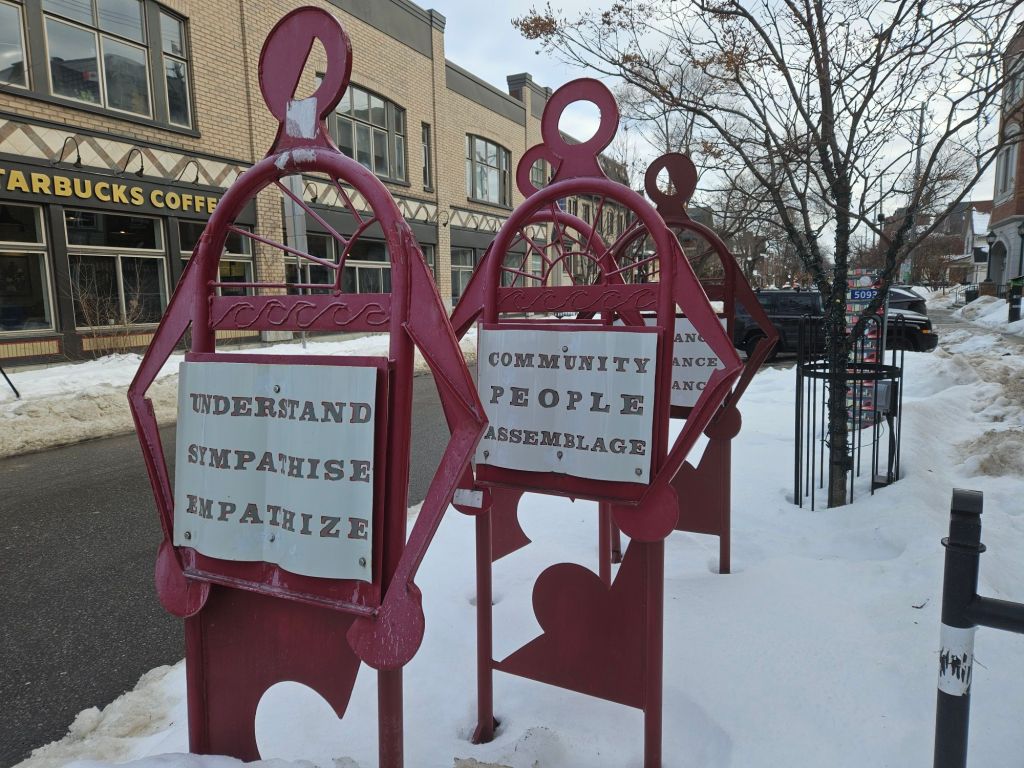
I sincerely hope there will not be a next time, but sadly, unless as a society we earnestly begin to prioritize humanity and strengthen community, I fear there will be. But if there is a next time, I would like to be better prepared—to understand and to know how best to help in that moment. 👣
If you or someone you know is struggling with substance use, resources in the link below may be of value.
https://www.canada.ca/en/health-canada/services/substance-use/get-help-with-substance-use.html

 Wandering Wakefield