Swedish roots run deep on my mother’s side and were always a quiet backdrop to my upbringing.
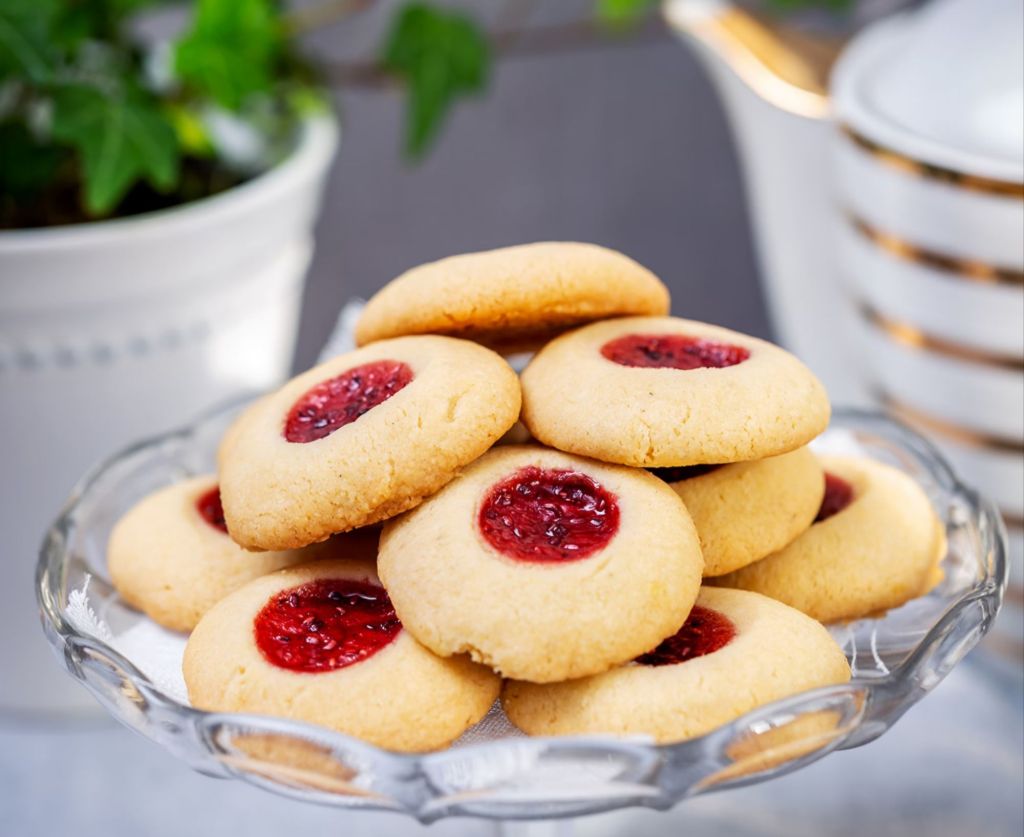
A Hallongrotta here, a Pepparkaka there, a “ja ja” or a lonely nej were never far away.

As I pored over books and prepared for Sweden, I realized this trip planning had a different feel from any I’d done before. Although the country itself was unknown to me, I felt as though I was being pulled toward something familiar.
Arrival
I’d love to say it was a flawless travel day, but that would be a lie. What started as a well-planned and seamless itinerary from Ottawa to Copenhagen quickly turned into a dog’s breakfast of canceled connections and rerouting.
We’ve all been there—it’s lousy.
But the moment the plane touched down on the “other side,” all was forgotten, even forgiven, when my bag arrived as hoped.
Three and a half weeks of adventure now stretched before me, beginning with a quick stop in Copenhagen. Though I adore its storybook canals and well-used green spaces, this time the city was merely a gateway.
With my bag in hand and customs behind me, I hurried to catch the train to Malmo, eager to cross the iconic Öresund Bridge connecting Denmark and Sweden.
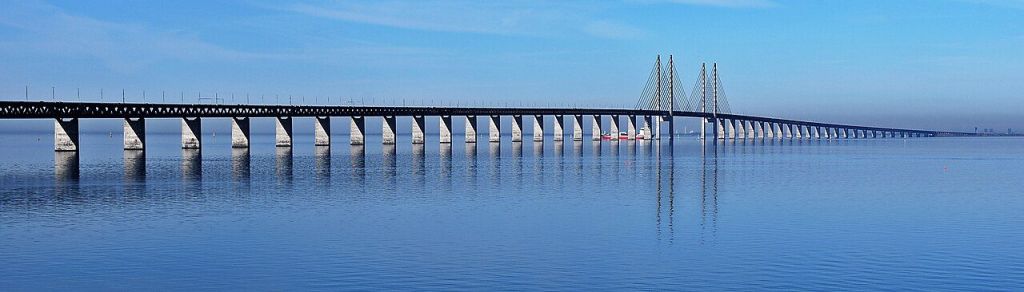
Stepping off the train in Malmö, Sweden’s third-largest city, the air was crisp, cool, and jolted me from my travel-induced haze.
One more hour on a regional train, and I would be in Ystad, a town on the southern coast of Skåne—my home for the next few days.

Ystad
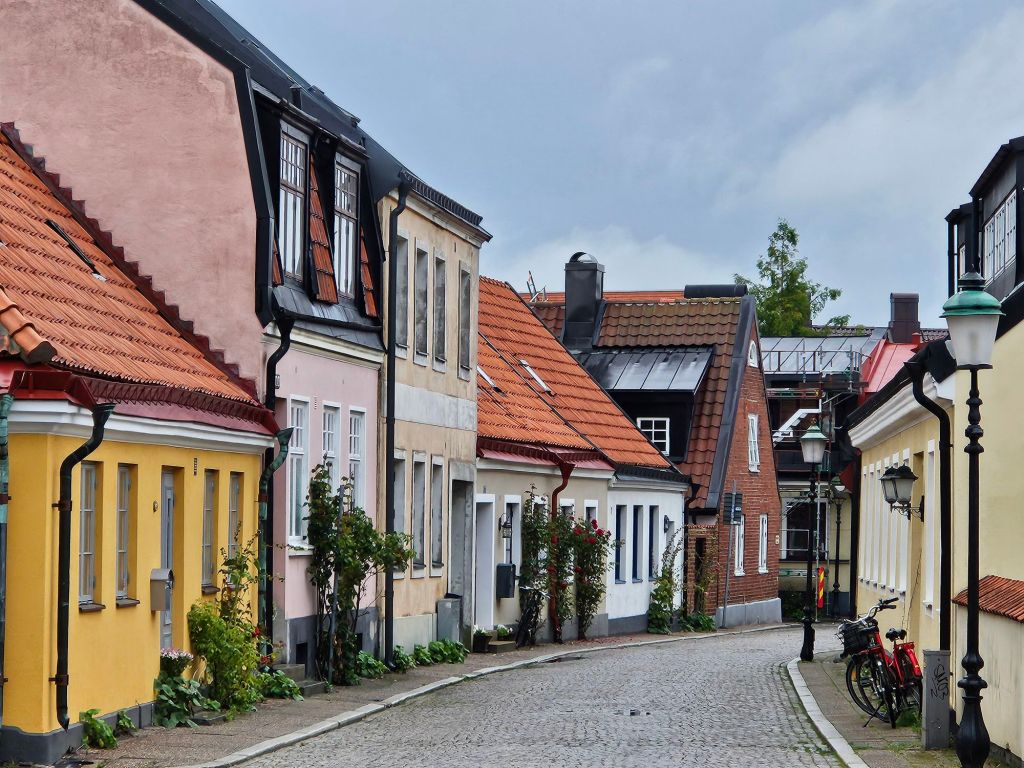
Ystad, a port town where cobblestone streets wind between half-timbered houses, was a welcome sight for these tired eyes. It was also a relief to find the clerk at my accommodation, just minutes from closing up for the night.
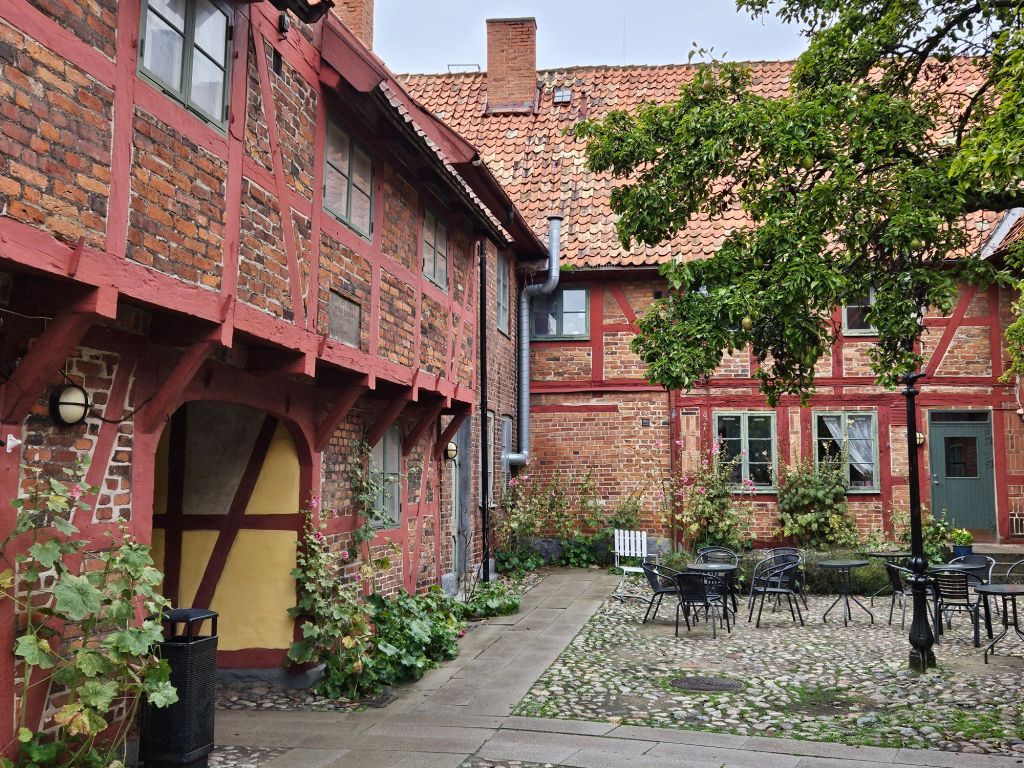
With key in hand and 23 hours of travel behind me, I could finally exhale and stretch my weary legs.
I was also starving and craving something fresh.
I made my way to the medieval town centre in search of just the right thing.
A vibrant goddess bowl—the best I’d had in ages—more than satisfied. Content, I wandered back to my cozy, perfect room for one and slept soundly between the attic beams.
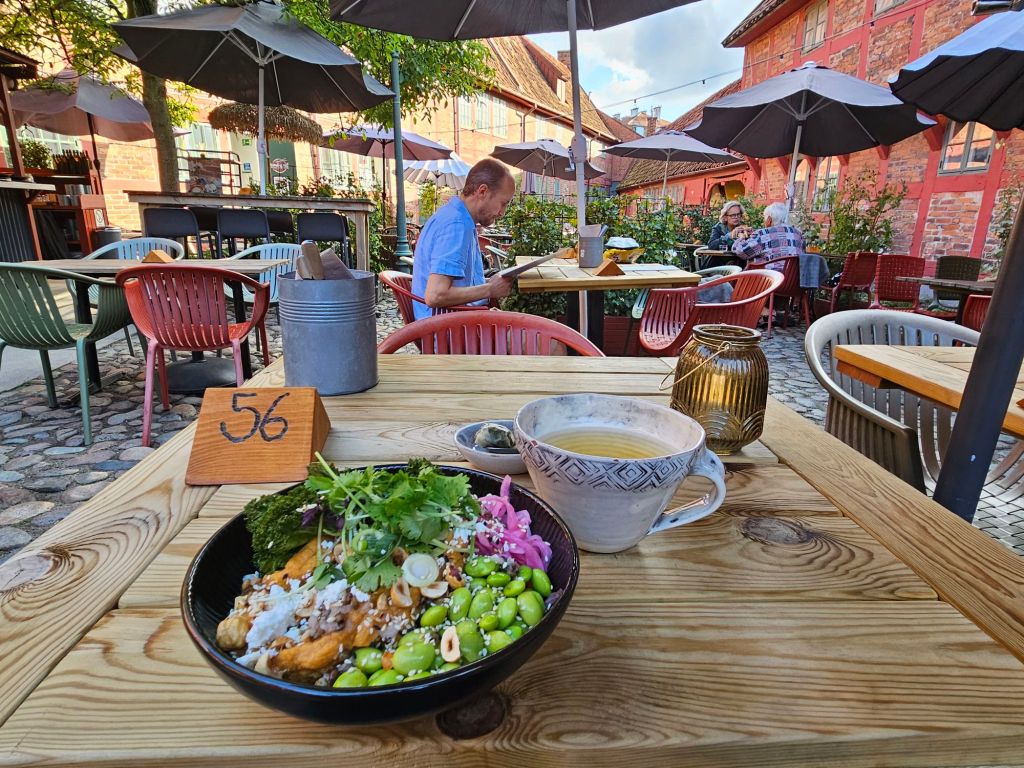
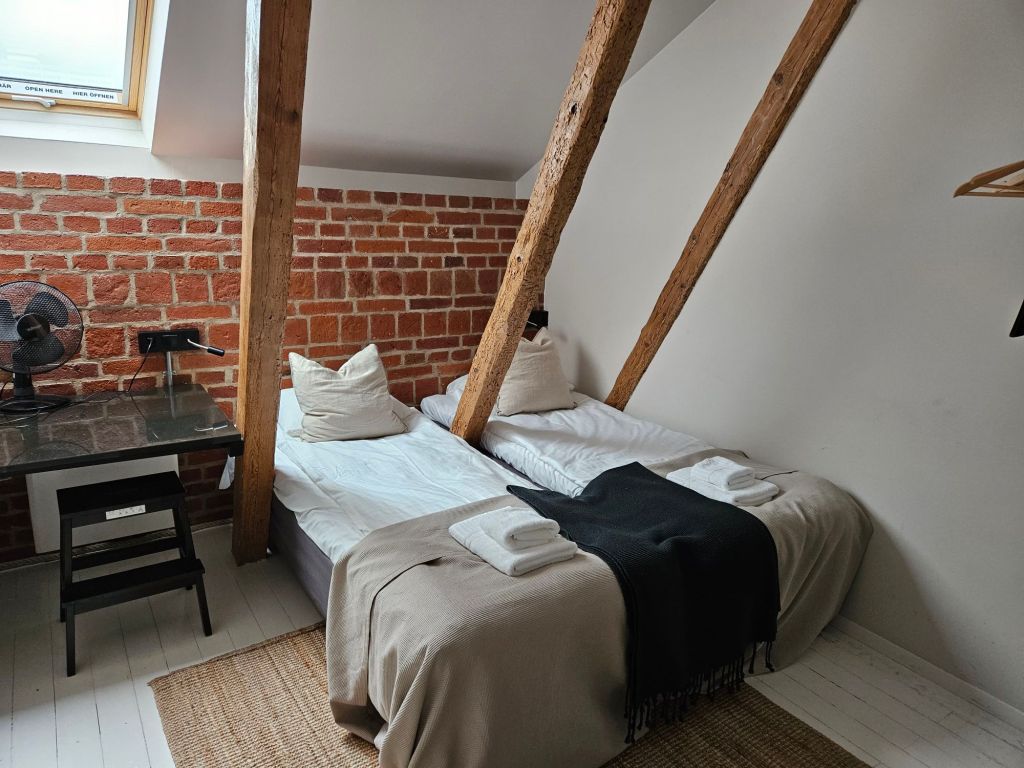
The next morning, catapulted by the energy of ‘somewhere else’, I was up with the sun, walking shoes on and quickly out the door.
Over the years, I’ve learned that—like in life—it’s best not to get too caught up in planning the perfect route.
Often, the real magic lies in the unexpected: the hidden corners, the chance encounters, the small surprises that appear when you just follow your feet and let the path unfold.
Sure enough, on my way to the local bike rental shop, I stumbled across Koloniträdgårdar—allotment gardens—a beloved part of Swedish culture where individuals or families lease plots to grow vegetables, flowers, or simply enjoy a getaway from town life.
These plots often reclaim industrial land, benefiting people, wildlife, and the township’s beauty.
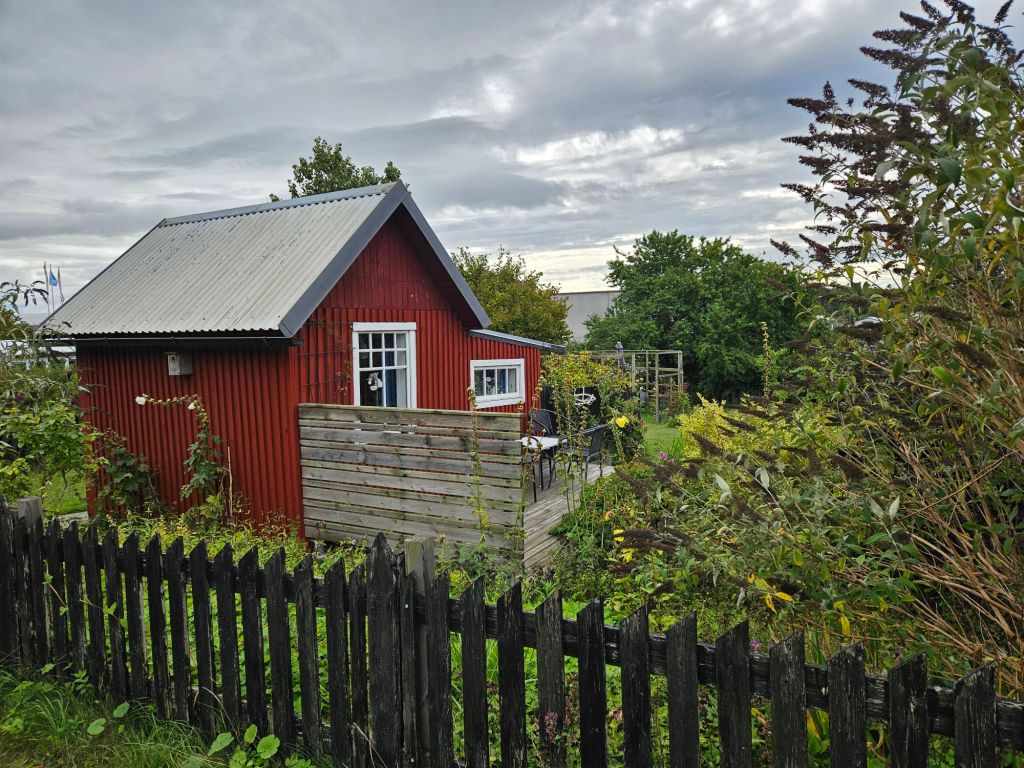
Some gardens were carefully tended; others wild and gangly, spilling over fences.
It was a treat to loop my way down and back along the narrow laneways.
The kid in me desperately wanted to pick up a stick and drag it along the pickets, but the adult in me couldn’t risk waking those who, on that September night, had slept inside—or curled up on the porch of—their allotment cottage.
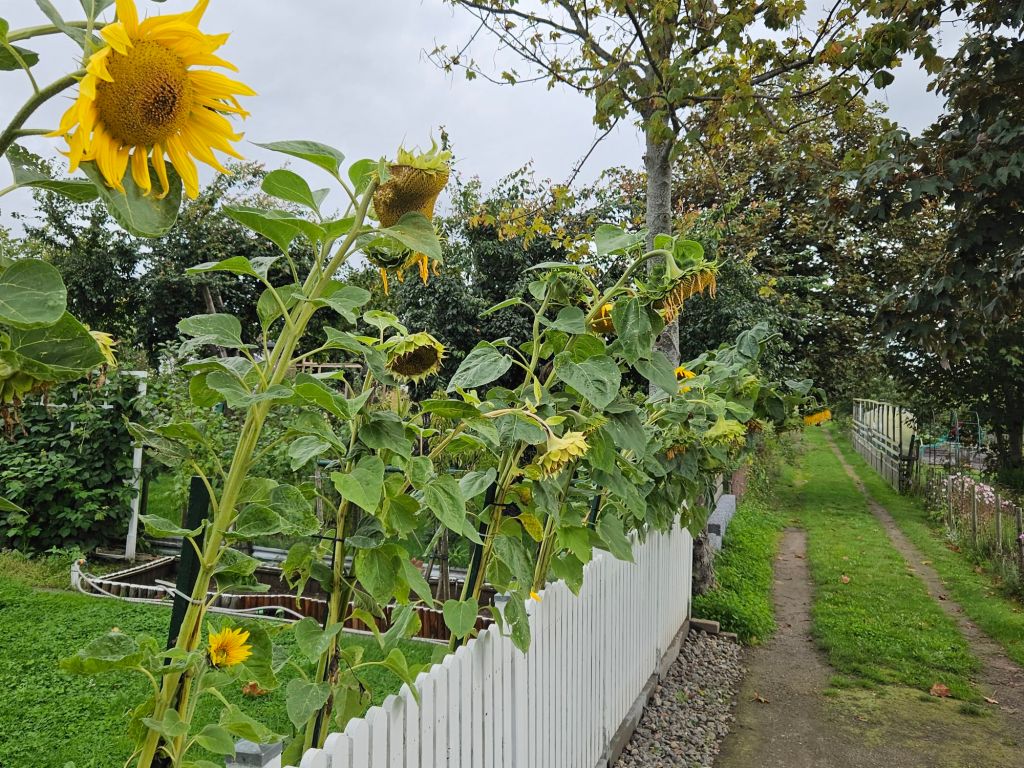
This place felt like stepping into a memory, instantly transporting me to my great-grandparents’ homestead in northern British Columbia.
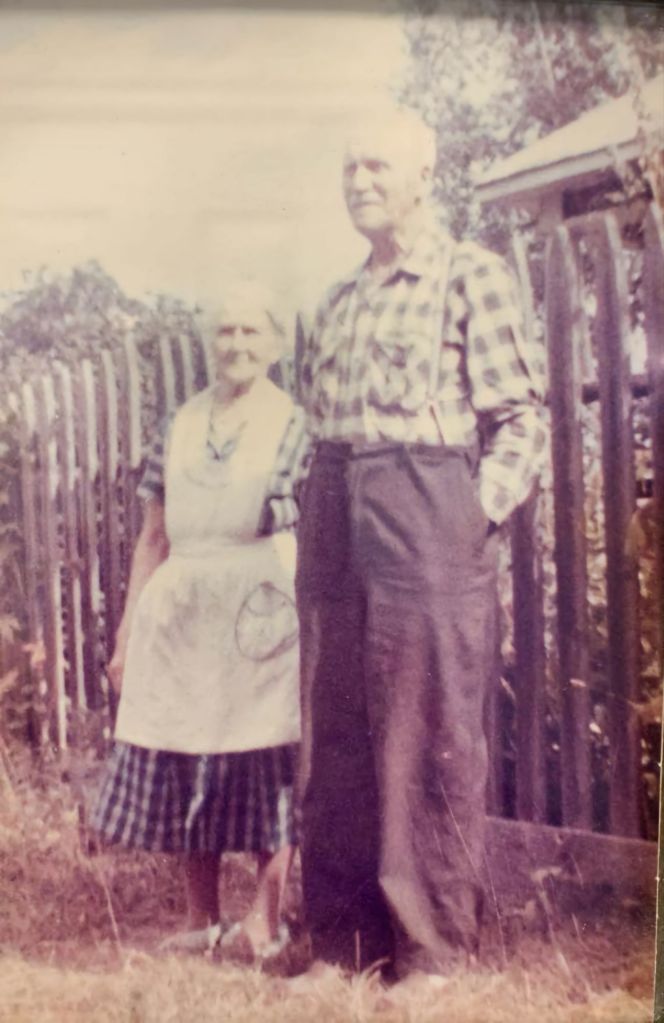
Flowers blooming in the front yard, veg patch out back, Great Grandma resting on the porch.
I remember so clearly her smile—and that she was always happy to see us. These vibrant living spaces held, defined even, her essence: warm and familiar.
Ale’s Stones
I took my time wandering the allotments, but now, bike and map in hand, I was ready to go.
Today’s plan: a 70-kilometer round trip to Ale’s Stones, a Viking-age monument perched high on a coastal hillside.
This long-anticipated day would be my first true encounter with Viking history—and my first real taste of the Skåne countryside.
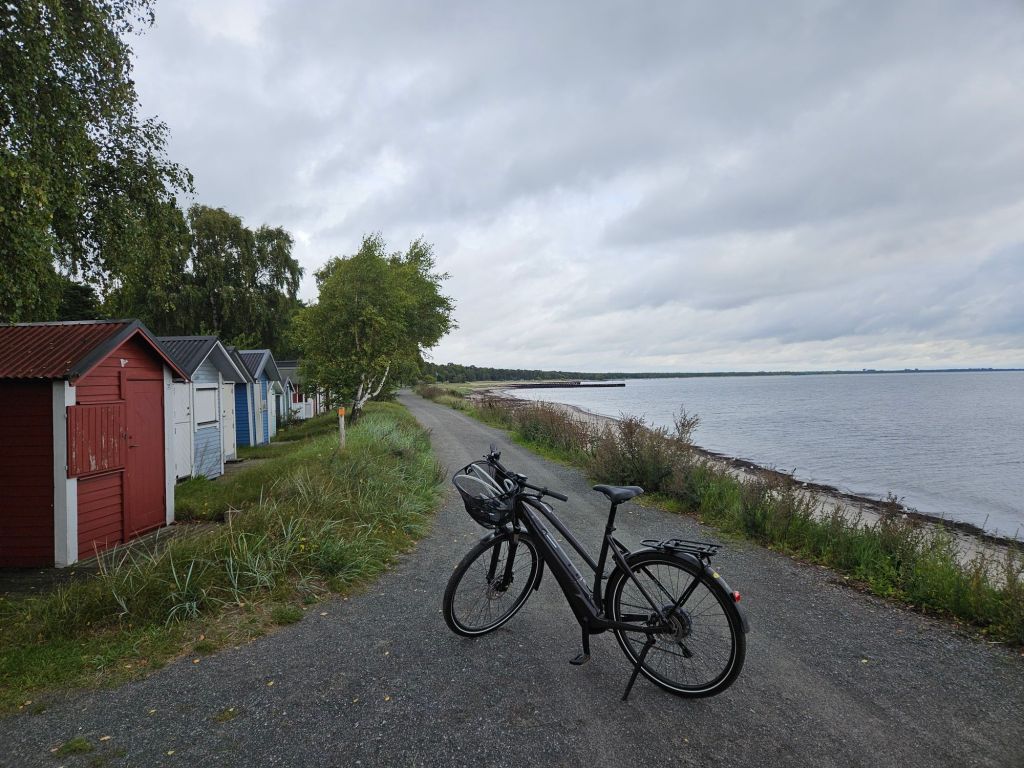
A low aluminum sun and the soft crush of falling waves escorted me north along the dirt path.
By the time I reached the fork leading into the woods, a fine film of sea salt clung to my cheeks.
Beneath the trees, the scent of the sea gave way to that of deep, earthy pine. Gravel and sand crunched and spun beneath my tires, carrying me forward, mile after mile.

Emerging from the forest, the landscape unfolded—rolling fields stretched to the horizon, dotted with distant farmhouses and grazing animals.
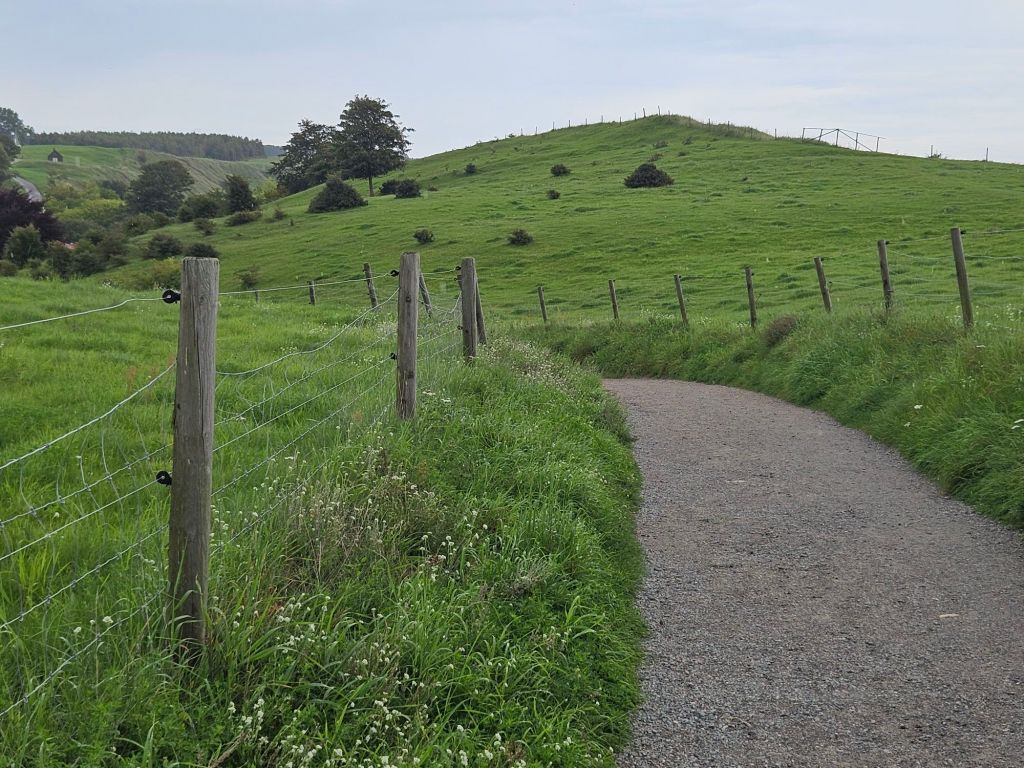
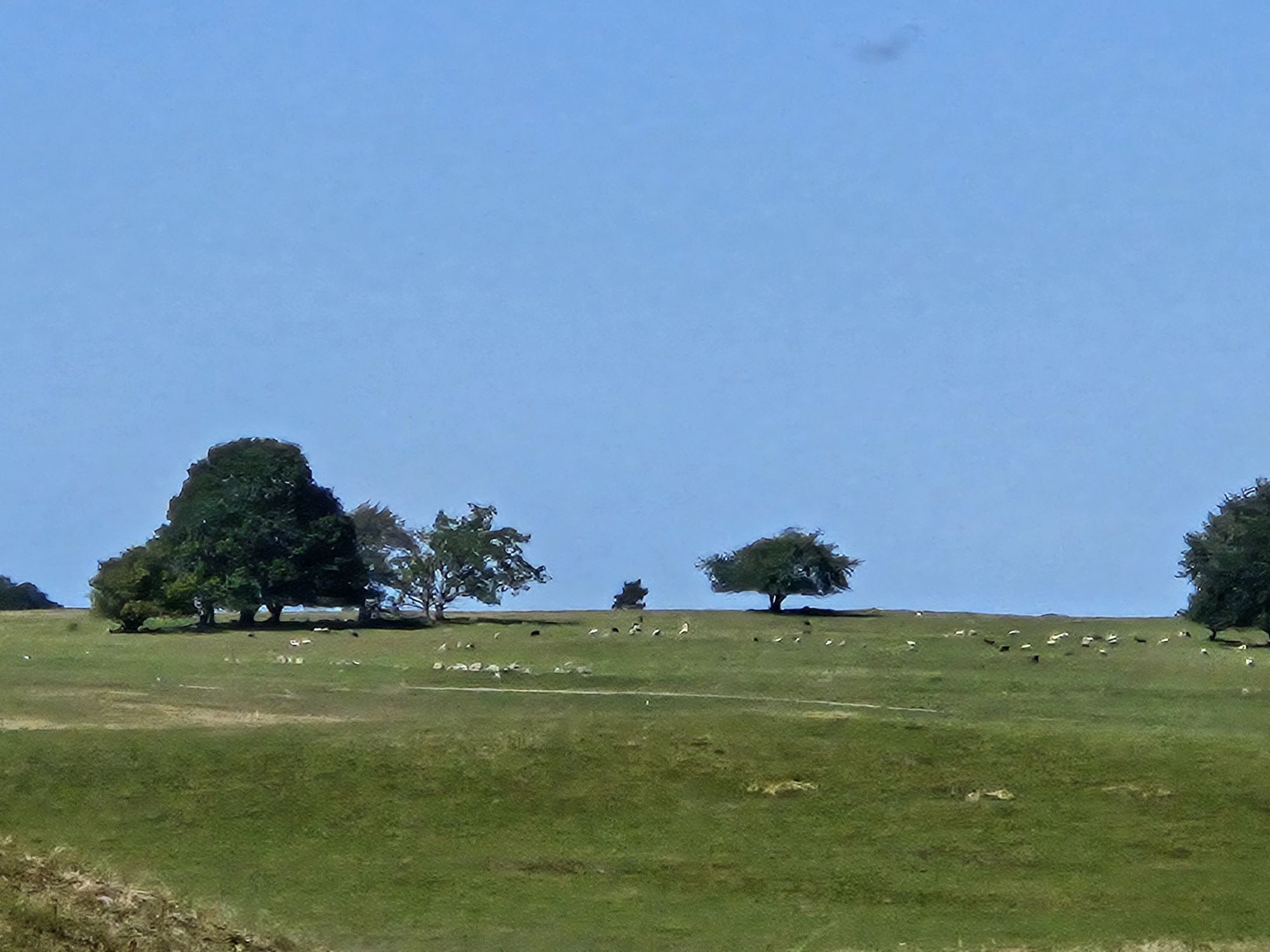
The whole of the countryside was alive, the main character in an ongoing performance.
For most of the morning, blue skies held firm.
By afternoon, low clouds dragged their heavy bellies across the fields, more threatening at every turn.
Determined to press on despite the darkening skies, my spirit soared—that rare kind of soaring when head, heart, and body move as one in pursuit of a single purpose.
Months of planning had finally come to fruition.
Joy spilled over as the bike wheels turned steadily, in rhythm with two dependable pumping legs.
When I finally reached Ale’s Stones, I was soaked to the bone—but it hardly mattered.
The wind, the rain, and the effort it took to reach the site only deepened the magic of being there.
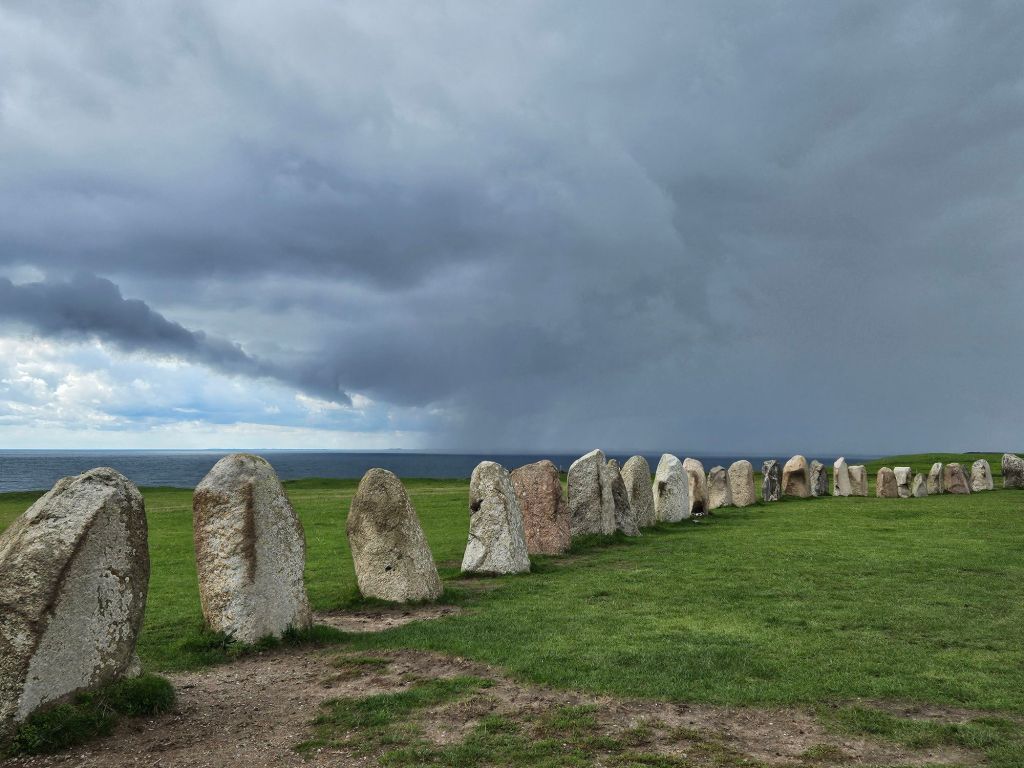
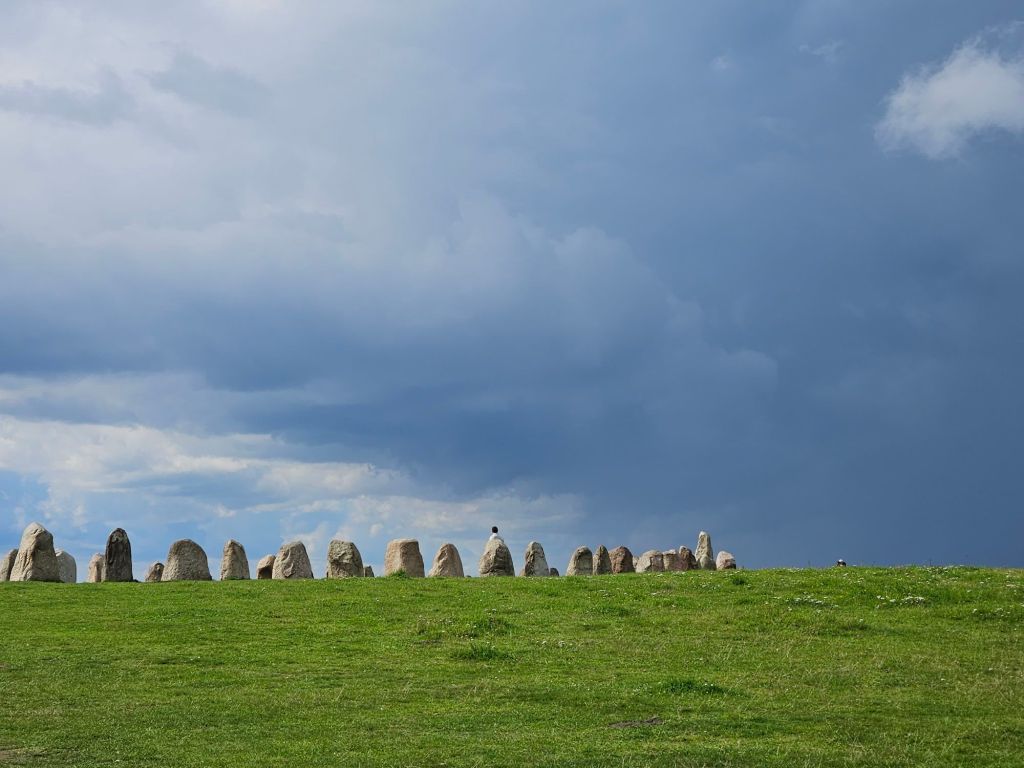
Standing among these Viking ruins, I felt an unexplained, guttural tug and wondered if my own family’s bones carried traces of this dramatic past.
I stood there motionless, breath tethered to the raw edges of time.
Landscape
As I continued to explore Skåne, I realized my connection to Sweden wasn’t just about historical sites or family heritage—it was rooted in the very landscape itself.
Resting my head against the bus window as we travelled from Ystad through the region of Österlen, I watched the countryside slip by, imagining lives lived along these fields.
Kivik, a small fishing village and my next stop, is known for its apple orchards and sweeping coastal parks.
As I stepped off the bus, the scent of the sea mingled with the sweetness of ripe fruit.
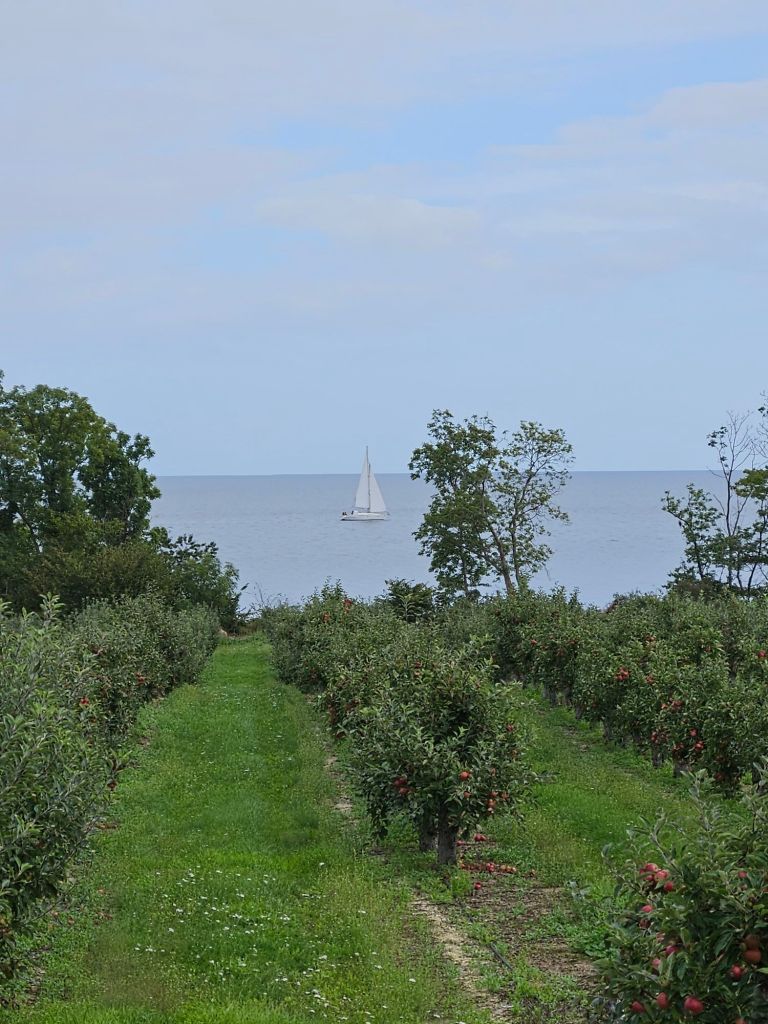
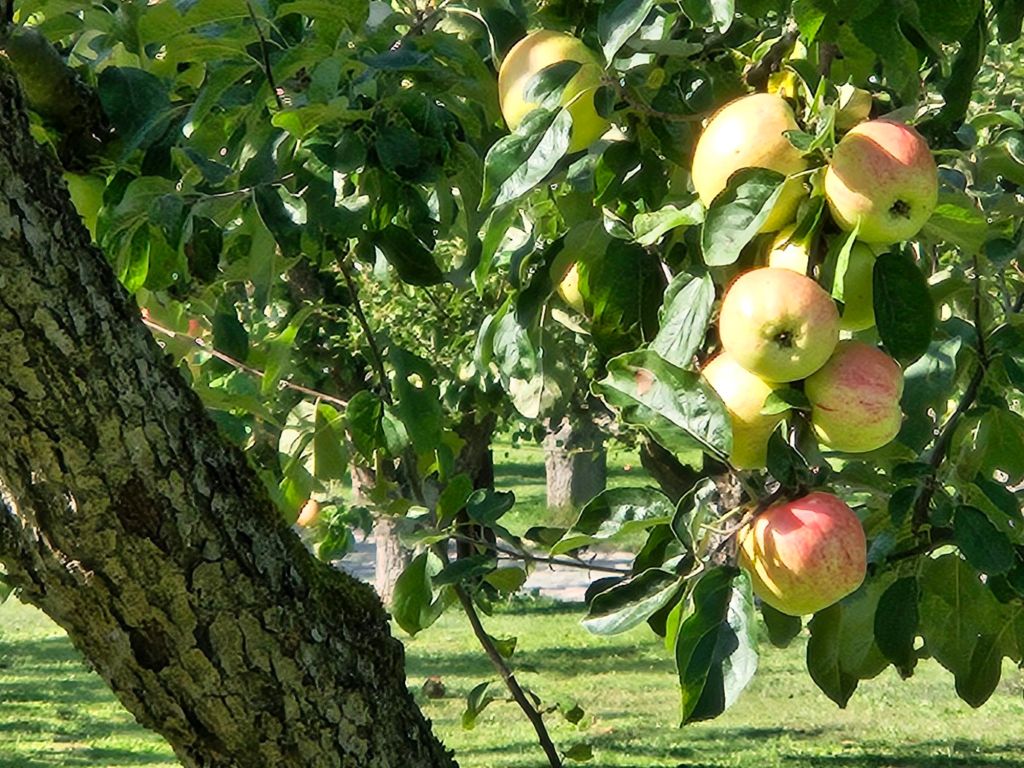
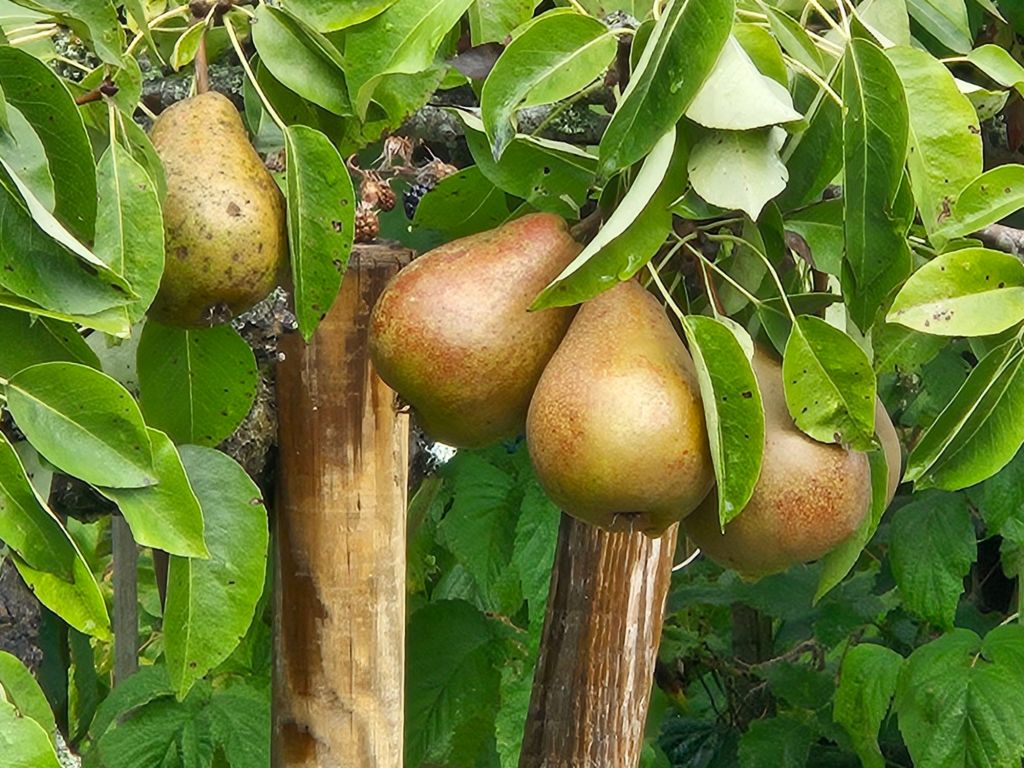
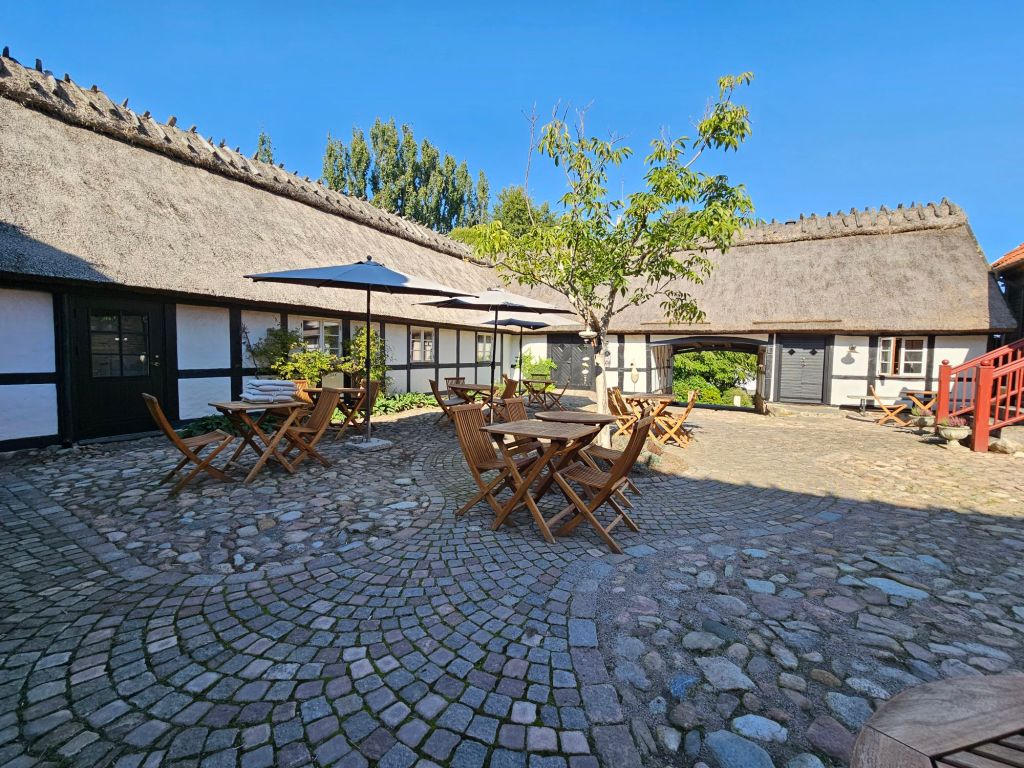
After settling into my next accommodation—a farmhouse from the 1850s—I picked an apple out of the welcome bowl and walked north along the coast toward Haväng.

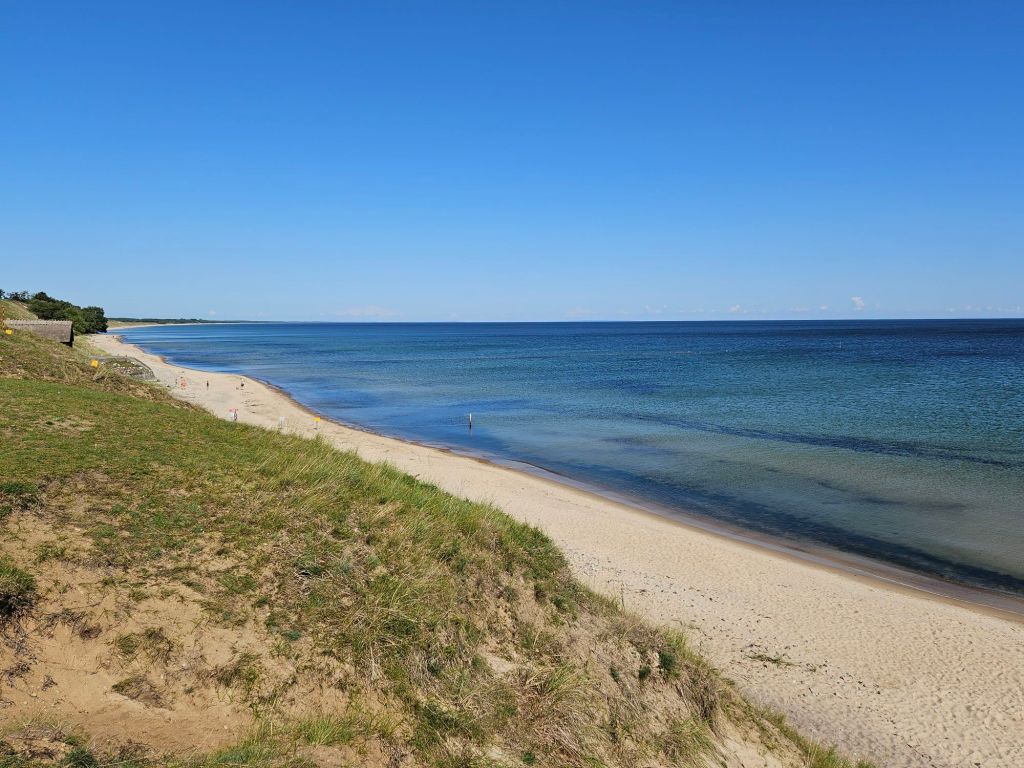
Vast, untouched beaches stretched endlessly ahead, framed by grassy dunes dusted with heather.
Stone and Bronze Age relics unearthed from this region tell stories of past inhabitants. It was impossible not to feel a profound sense of time.

Back in this century, it was Sunday, and families and friends of all ages gathered for ritual picnics.
Tablecloths were carefully spread out on the grass and anchored with mugs of wildflowers and real cutlery.
Children ran barefoot along the shore, while elders sipped coffee from well-loved thermoses.
Generations came together over simple joys—laughter, food, toes in the grass.
Here, in this quiet corner of Sweden, I felt something deeply.
Longing… or belonging?
It was hard to tell.
Lund
A city where history and academia intertwine, I fell shamelessly into the arms of Lund.
The ivy-clad buildings exuded wisdom, while worn and weathered facades continued to hold long-kept secrets.

The library stood like a beacon, drawing me in.
Pulling the heavy doors open, I stepped into a hushed world of carved stone and worn wood—the kind of place I had envisioned while dreaming of this trip.
I randomly pulled a book from the shelf, sat down at a long wooden table, and scanned the many pages of text.
For more than a moment, I was elsewhere, living another imagined life.
When I finally walked out of the library, I felt a buzz – a rare kind of stimulation that lingered for days.
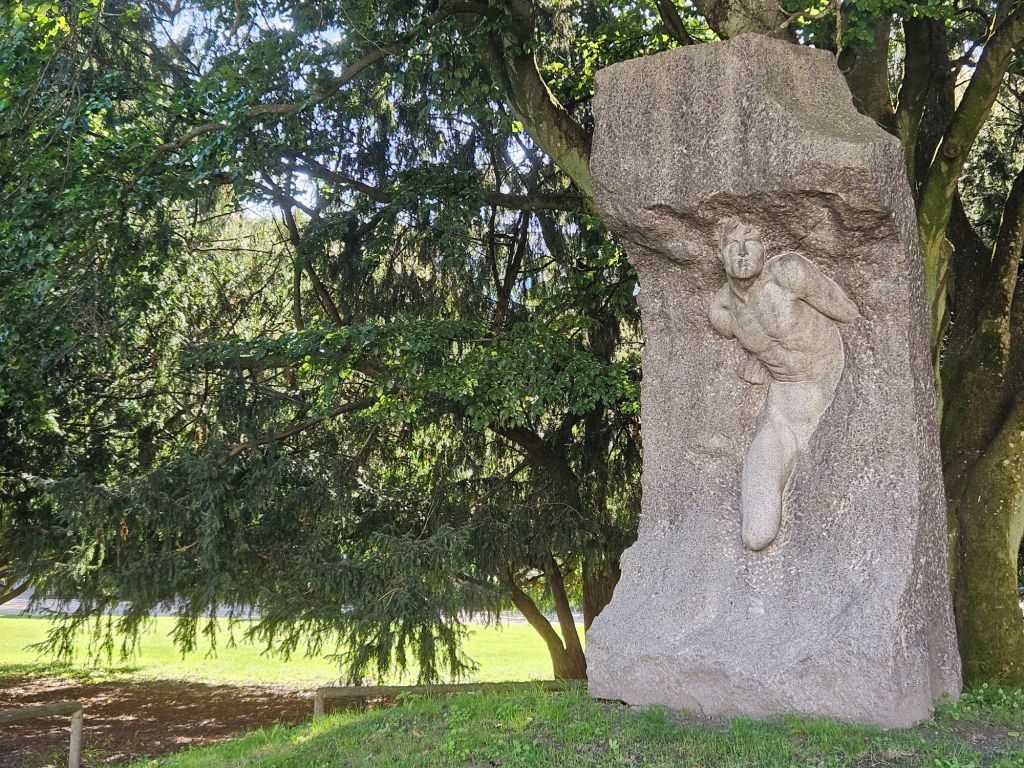
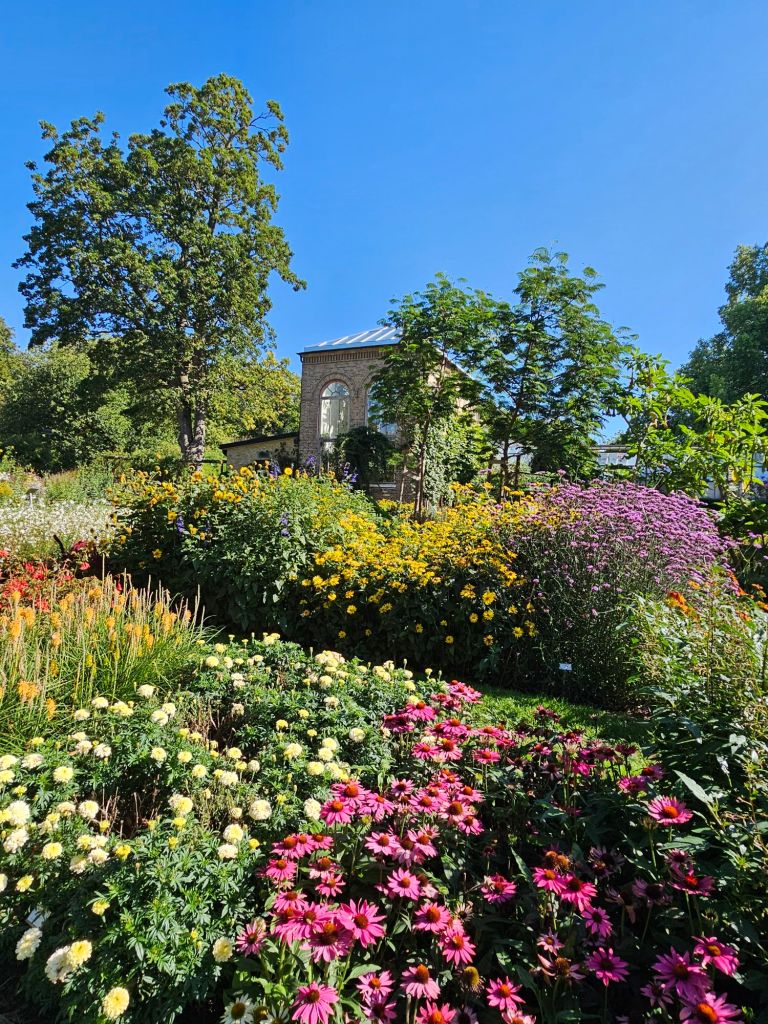
Onward through lush gardens, tucked-away courtyards, and ever-present ancient runestones, I walked the length and breadth of the small city until my bones could carry me no further.
Kallbadhus
A day trip by train from Lund brought me back to Malmö.
At Lilla Torg, the town square, colorful half-timbered houses leaned into each other above busy, modern outdoor cafés.

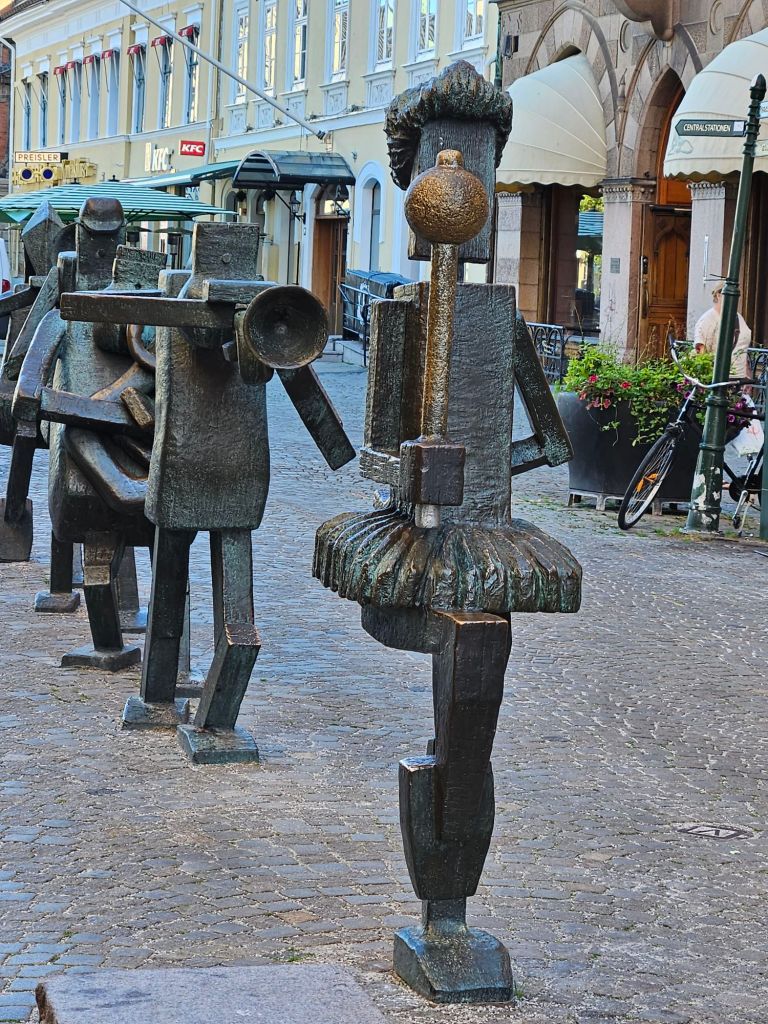
Music from buskers drifted through the air, tempting me to stay, but my destination lay ahead: Ribersborgs Kallbadhus, a traditional open-air bathhouse perched on the edge of the Baltic Sea.
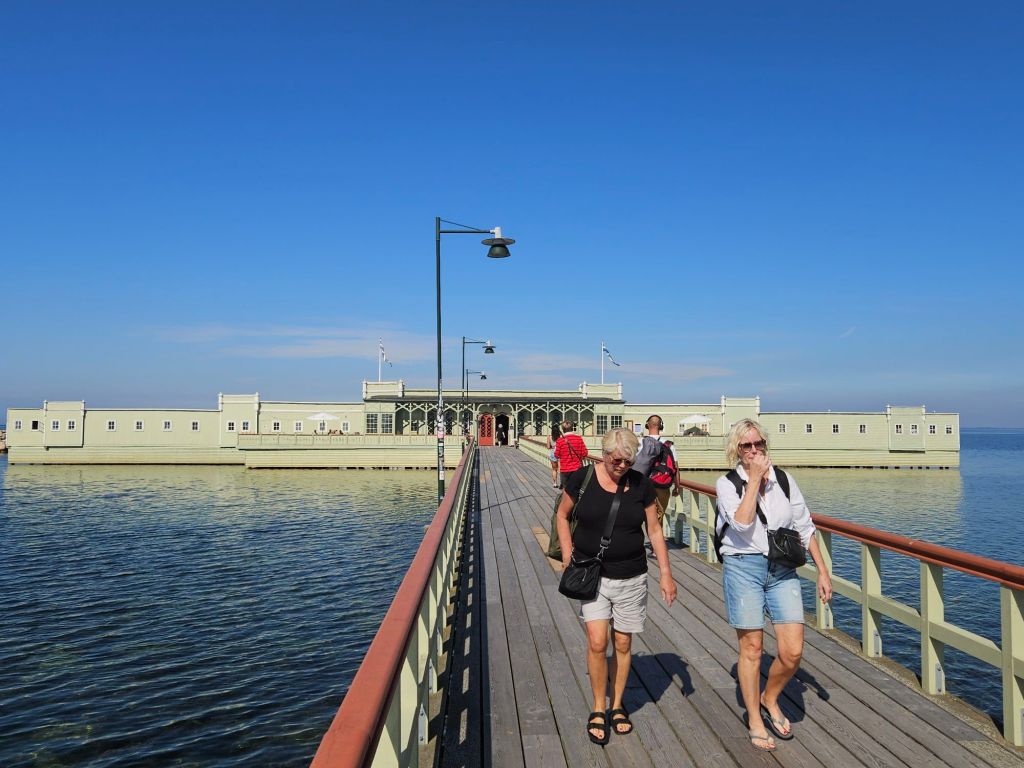
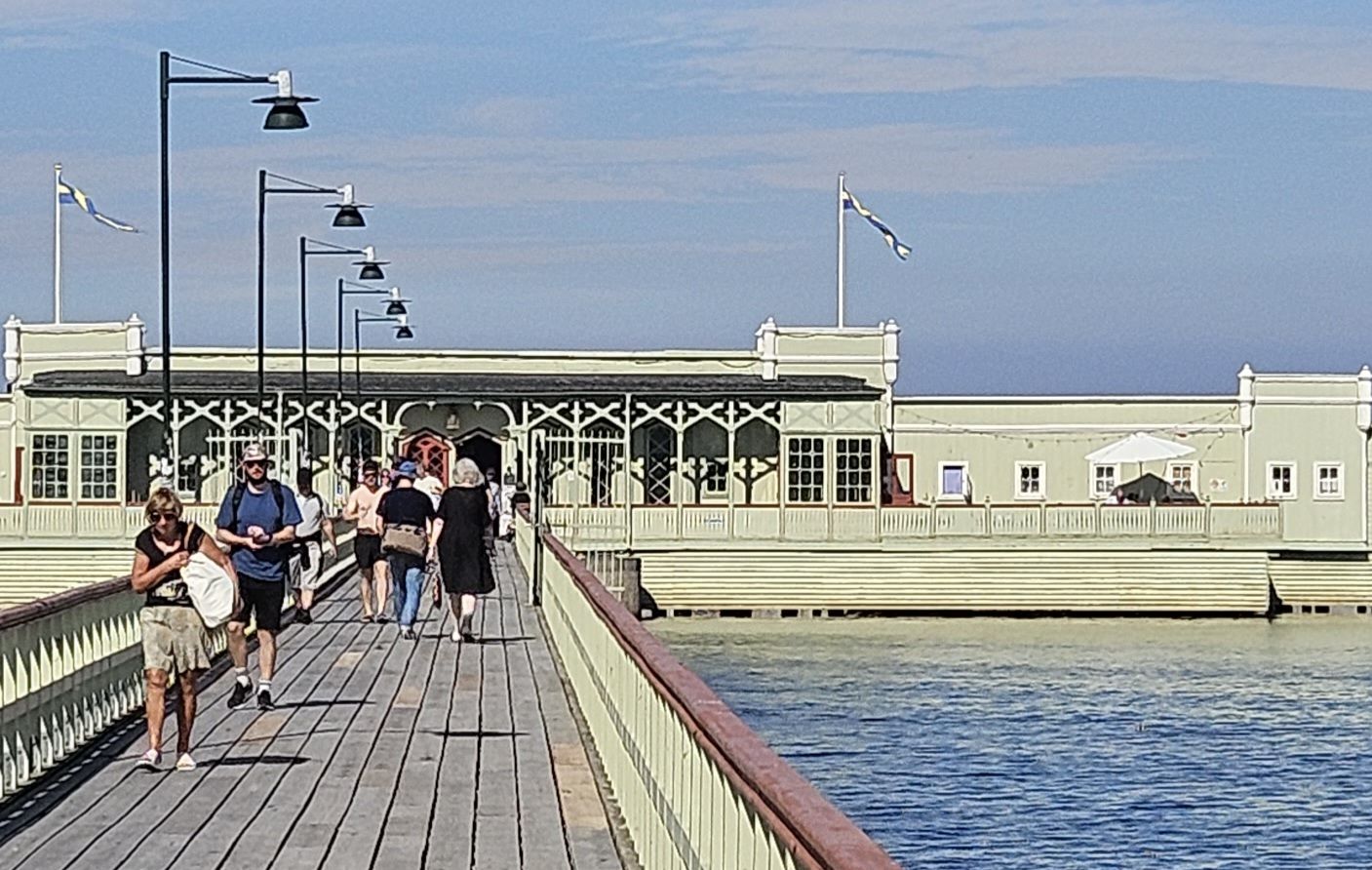
Men to the right, women to the left, clothing not optional.
I gingerly made my way out of the small changing room, feeling a tad exposed.
I quickly popped into the sauna, and then, when the heat became too much, carefully descended the ladder and dropped into the cold Baltic Sea.
Such a rush of exhilaration!
Sea on all skin—another one of Sweden’s many traditions that connect its people to nature.
Afterward, lying on that sun-drenched Kallbadhus deck, surrounded by so many other bared souls, I wondered what, exactly, all the fuss was about.
These people, my ancient people, truly had a lot figured out.
Walking back down the pier at day’s end, I understood: this trip was never only about exploring heritage or culture.
It was about connection—an evolving resonance bridging the past and present. It was about roots.

 Wandering Wakefield